



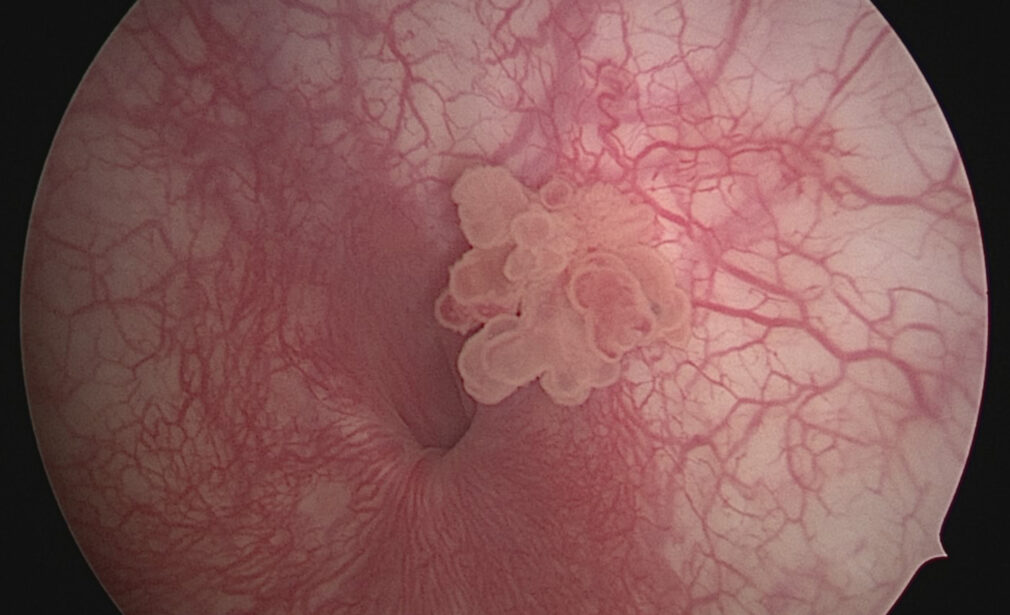
Bladder Cancer Treatment
Bladder cancer is a type of cancer that starts in the bladder (urinary bladder). The bladder is an organ that stores urine. This type of cancer usually begins in the cells lining the inner surface of the bladder. Bladder cancer results from the abnormal growth of cells and can eventually form tumors.
Symptoms of bladder cancer may include the following:
- Blood in urine (hematuria)
- Frequent urination
- Urgent need to urinate
- İdrar yaparken ağrı veya rahatsızlık
Risk factors include smoking, exposure to chemicals, certain infections, and genetic predisposition. Bladder cancer treatment can be performed using methods such as surgery, radiotherapy, and chemotherapy, depending on the stage and type of cancer. Early diagnosis increases the chances of successful treatment.
Diagnosis
A bladder cancer diagnosis is usually made through the following steps:
- Assessment of Symptoms: Seek medical attention if you experience symptoms such as blood in the urine, frequent urination, or pain during urination.
- Physical Examination: The doctor takes the patient’s medical history and performs a physical examination.
- Imaging Tests:
- Ultrasound: Imaging of the bladder and surrounding tissues.
- Computed Tomography (CT): Provides more detailed images.
- Magnetic Resonance Imaging (MRI): Can help visualize tissues more clearly.
- Cystoscopy: This is a procedure in which a telescope (cystoscope) is used to directly observe the bladder. The doctor looks inside the bladder and can take a biopsy if necessary.
- Biopsy: A sample is taken from the abnormal cells and examined through laboratory tests. This is the most definitive method for confirming the presence of cancer.
- Urine Tests: Urine samples are examined to check for the presence of cancer cells or other abnormalities.
Treatment
Bladder cancer treatment varies depending on the stage and type of cancer and the patient’s overall health. Treatment methods may include:
- Surgical Treatment:
- Transurethral Resection (TUR):strong>Removal of tumors from the inner surface of the bladder in early-stage cancers.
- Surgery: Removal of all or part of the bladder (Cystectomy).
- Lymph node removal: To determine whether the cancer has spread.
- Chemotherapy: Drugs used to kill cancer cells or stop their growth. It can be administered both before surgery (neoadjuvant) and after surgery (adjuvant).
- Radiotherapy: The use of high-energy beams to kill cancer cells. It is usually administered after surgery or, in some cases, as an alternative to surgery.
- Immunotherapies: Treatment methods that strengthen the body’s immune system. They may be effective, especially in patients with advanced bladder cancer.
- Targeted Therapies: Drugs that target specific characteristics of cancer cells. They can be administered to suitable patients based on genetic test results.
The treatment plan is customized according to the patient’s characteristics. Regular follow-ups and check-ups are important to monitor the progression of the disease. It is important to consult with an oncologist to determine the most appropriate treatment method for each patient.
Bladder cancer is divided into various types. The most common ones are as follows:
- Urothelial (Transitional Cell) Cancer: It originates from the urothelial cells found on the inner surface of the bladder and is the most common type of bladder cancer.
- Squamous Cell Carcinoma: It usually develops as a result of long-term irritation or infection. It is rare in the bladder, but it is frequently seen in areas where it develops more commonly (e.g., stomach cancer).
- Adenocarcinoma: Originates from the glandular cells of the bladder. This type is also rare and is usually diagnosed at more advanced stages.
- Small Cell Cancer: It is a very rare type and usually follows an aggressive course.
- Papillary Cancer: It is generally a benign and slow-growing type. However, it carries a risk of becoming cancerous over time.
- Well-differentiated urothelial carcinoma: It results from the abnormal transformation of normal urothelial cells and generally has a better prognosis.
Since each type of cancer has different characteristics, treatment and prognosis may also vary. The doctor considers these types to determine the most appropriate treatment method for the patient’s condition.
Superficial bladder cancer is a type of cancer that is usually confined to the inner surface of the bladder. Treatment options may include:
- Transurethral Resection (TUR): This is the surgical removal of tumors from the inner surface of the bladder. It is usually performed as the first treatment option. It ensures that the tumors are completely removed.
- Drug Therapy:
- Intravesical chemotherapy: After the tumors are removed, medication is injected directly into the bladder. This may help prevent cancer cells from returning.
- Immunotherapies: BCG (Bacillus Calmette-Guérin) therapy targets cancer cells by activating the immune system. It is commonly used in the treatment of superficial bladder cancer.
- Regular Checkups: Regular follow-up is important for superficial bladder cancer because it carries a risk of recurrence. The doctor monitors the course of the disease by performing imaging and cystoscopy at specific intervals.
The treatment plan is customized according to the patient’s condition and the characteristics of the tumor. It is important to consult with a urology specialist to determine the most appropriate treatment method for each patient.
Follow-up for superficial bladder cancer is crucial for monitoring the risk of recurrence and ensuring early intervention. The follow-up process typically includes the following steps:
- Regular Cystoscopy: Patients are typically monitored with cystoscopy every three to six months. This procedure is used to directly observe the inner surface of the bladder and detect any potential tumors or abnormal cells.
- Urinalysis: Urine samples are collected to check for the presence of cancer cells or abnormal substances. These tests can help assess the course of the disease.
- Imaging Tests: Imaging methods such as CT or ultrasound can be used to check whether the cancer has spread, but they are not usually necessary.
- Monitoring Symptoms: It is important for patients to monitor symptoms such as blood in the urine, pain, or frequent urination and to report these conditions to their doctors.
- Review of the Treatment Plan: During follow-up appointments, the doctor reviews the treatment plan and the patient’s overall health. If necessary, treatment strategies are updated.
The follow-up process may vary depending on the patient’s risk status and the doctor’s recommendations. Regular check-ups are critical for rapid intervention in case of recurrence.
Cystoscopy is a medical procedure used to examine the inner surface of the bladder and the urinary tract. This procedure is performed using a cystoscope, which is a thin, lighted tube. Cystoscopy is typically performed by urologists and is used in the following situations:
Objectives
- Diagnosis and follow-up of bladder cancer
- Evaluation of urinary tract infections
- Detection of bladder polyps or tumors
- Investigation of problems with urine flow
- Examination of abnormalities in the bladder or urinary tract
Process Flow
- Preparation: The patient should generally arrive on an empty stomach. Anesthesia may be administered; this may be local or general anesthesia.
- Procedure: A cystoscope is inserted through the urethra (urinary tract) into the bladder. During the procedure, the doctor directly views the inner surface of the bladder and may take a biopsy if necessary.
- Post-Procedure: The procedure is usually brief. Patients may experience mild discomfort or a burning sensation when urinating. They can usually return to their normal activities quickly.
Cystoscopy provides important information about bladder health and plays a critical role in determining treatment plans.
Flexible cystoscopy is a procedure performed using a flexible cystoscope to examine the bladder and urinary tract. This method may cause less discomfort than traditional rigid cystoscopy and provides a wider field of view.
Features and Benefits
- Flexibility: The flexible cystoscope offers improved maneuverability, facilitating passage through narrow areas. This is particularly useful when passing through the prostate area in men.
- Daha Az Rahatsızlık: Esnek yapı, hastaların işlem sırasında daha az rahatsızlık hissetmesini sağlar.
- Wide Field of View: This method allows doctors to examine the bladder and urinary tract in greater detail.
Frequently Asked Questions
Since it is performed under local anesthesia, no pain is felt during the procedure.
Most patients can return to their normal lives the same day. Recovery takes an average of 7–10 days.
Medications or caustic substances used at home can cause serious burns and more extensive lesions. Therefore, professional treatment is essential.
The HPV vaccine does not treat existing warts, but it provides protection against new infections.
HPV is a virus that can remain dormant in the body. Even if treated warts disappear, the virus can cause new lesions in different areas. Therefore, follow-up examinations and supporting the immune system are very important.
Simple Steps for an Appointment

Make an Appointment
Get examined
