



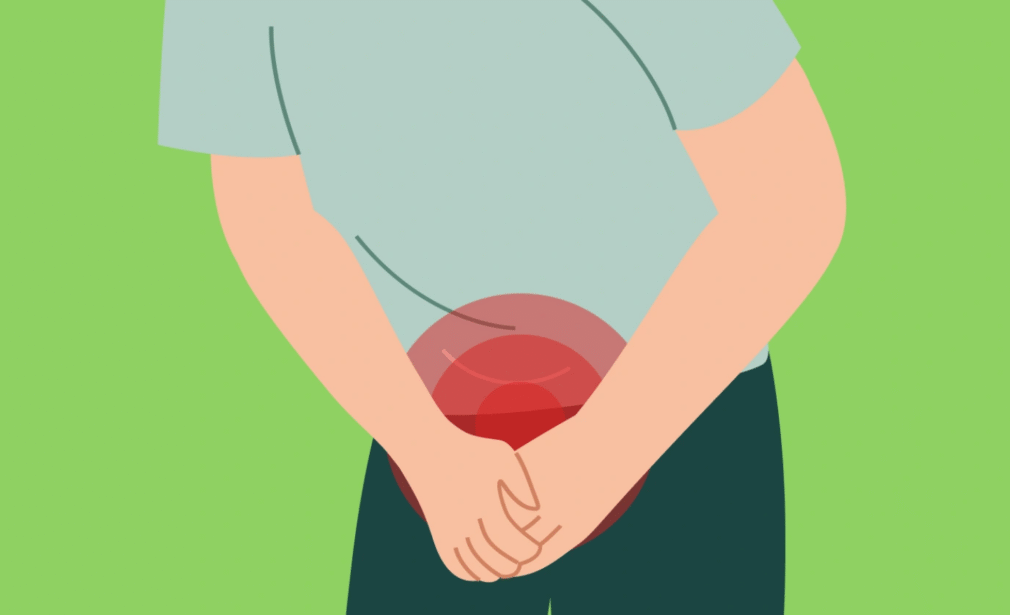

Chronic Prostatitis Treatment
What is prostatitis?
Prostatitis is a condition in which the prostate and sometimes the surrounding area become swollen. There are different forms of prostatitis. This disease causes severe pain in some men, is not very noticeable in others, and in some cases presents a condition somewhere in between.
Types of prostatitis
Acute bacterial prostatitis: This is the least common but most easily diagnosed type of prostatitis. Often caused by a rapidly developing bacterial infection, this type is easy to diagnose due to its typical symptoms and signs. It is a serious urinary tract infection that often involves fever and chills. You should see a doctor or go to a hospital. Acute prostatitis can affect people of all ages. Symptoms may include painful urination, difficulty emptying the bladder, and pain in the lower back, abdomen, or pelvic area.
Chronic bacterial prostatitis: Similar to acute bacterial prostatitis, but symptoms develop more slowly and are less severe. This condition, which manifests as recurrent urinary tract infections, can occur in men of all ages but is more common in middle-aged and older men.
Chronic prostatitis/chronic pelvic pain syndrome/nonbacterial prostatitis/prostatodynia: This is the most common type of prostatitis. The cause of nonbacterial prostatitis is not fully understood. However, the disease may manifest itself due to persistent infection, swelling, and/or muscle spasms in the pelvis. Swelling of the prostate may also occur without symptoms. When symptomatic, it may manifest as pain in the reproductive and pelvic areas, difficulty or painful urination, and sometimes pain during or after ejaculation.
In asymptomatic inflammatory prostatitis, swelling of the prostate is present but symptoms are not clearly observable. The diagnosis is made while evaluating symptoms unrelated to prostatitis. Evidence of swelling can be found in tissue biopsies or urine samples, semen, or prostatic fluid.
What causes prostatitis?
The exact causes of prostatitis are not fully understood in the medical community. However, there are some accepted theories. In some cases of prostatitis, the cases are clearly linked to acute and chronic bacterial prostatitis infections. These infections reach the prostate from infected urine in the urinary tract. Bacterial prostatitis is not a sexually transmitted disease. It is not transmitted to the patient’s sexual partner.
Certain specific conditions or medical procedures increase the risk of bacterial prostatitis. Previous placement of a catheter or other device in the urinary tract, an abnormality in the urinary system, or a recent bladder infection also increase the risk.
Chronic prostatitis/chronic pelvic pain syndrome may be caused by atypical organisms such as chlamydia, mycoplasma (sexually transmitted), ureaplasma, or it may be due to a chemical or immunological reaction to an injury or previous infection. The nerves and muscles in the pelvis can cause regional pain. The causes here may be a reaction to a prostate infection or stem from swelling or another problem.
What are the symptoms of prostatitis?
Depending on the type of prostatitis infection the patient has, symptoms may vary. Although patients are often unaware of the symptoms, in some cases the symptoms are similar to those of a urinary tract infection. However, other diseases can also cause the same or similar symptoms. The urologist will determine the type of disease.
Acute bacterial prostatitis presents with rapidly developing symptoms. These include chills, fever, severe burning during urination, and an inability to empty the bladder.
In chronic bacterial prostatitis, symptoms are similar to those in acute bacterial prostatitis, but there is no fever. Other symptoms include burning during urination, frequent urination especially at night, pain in the perineum, testicles, bladder, and lower back, and painful ejaculation. In this disease, infections may recur and follow a fluctuating course.
In chronic prostatitis/chronic pelvic pain syndrome, symptoms may include: Difficult and painful urination, discomfort or pain in the perineum, pain in the bladder, testicles, and penis, and painful ejaculation. In some cases, these symptoms cannot be distinguished from those mentioned above for chronic bacterial prostatitis.
How is prostatitis diagnosed?
Here, accurate diagnosis is crucial, because the treatment for different prostatitis syndromes also varies. Furthermore, symptoms must not be confused with those of urethritis, cystitis, an enlarged prostate, or cancer. Various examinations are useful for an accurate diagnosis.
The urologist inserts a finger wearing a lubricated glove into the rectum to examine the prostate gland. Since the prostate gland is located in front of the rectum, it can be felt and examined. In this way, the urologist assesses whether the prostate is enlarged or not. Any lumps or hardness found during the examination may also indicate prostate cancer. If the person has prostatitis, they will feel pain during this finger contact, but this pain is temporary and does not cause damage to the area.
The doctor may also use biopsy and ultrasound methods to obtain more detailed information about the prostate. If there is a risk of prostate cancer, a PSA test is also performed, but this test can produce high results that may be misleading in cases of infection.
The urologist may also examine the fluid that comes out during a rectal examination of the prostate and the urine. When pressure is applied to the prostate, a secretion comes out of the tip of the penis. By analyzing this secretion and urine samples, the urologist tries to obtain additional information about swelling and infection in the prostate. Some doctors may also perform tests on blood and/or semen samples. Urine flow rate can also be measured. They look for microorganisms, white blood cells, or other signs of infection. All of these tests provide information about whether the problem is in the urinary tract, bladder, or prostate.
Treatment of Prostatitis
The treatment of prostatitis depends on the type of infection diagnosed in the individual.
The patient should take antibiotics for at least 14 days for acute bacterial prostatitis. Sometimes the patient may need to receive antibiotics intravenously in the hospital. If there is difficulty urinating, a catheter may be necessary. Treatment for almost all acute infections is carried out in this manner. Antibiotic use can often last up to four weeks. If the antibiotics used are not effective, the doctor will try others.
When taking antibiotics, you should always follow your doctor’s instructions and not stop taking these medications before completing the recommended course, even if the symptoms appear to have disappeared.
If the diagnosis is chronic bacterial prostatitis, antibiotic use may last four to twelve weeks. With this type of treatment, approximately 75% of chronic bacterial prostatitis cases can be cured. In some cases, repeat treatment may be necessary. If there is no response to this treatment, long-term, low-dose antibiotic therapy is recommended to relieve symptoms. Some medications used to treat nonbacterial prostatitis or certain treatments such as prostate massage therapy may also be used in some difficult cases. In rare cases, such as the presence of damaged tissue in the urinary tract, surgery may be decided upon in the urinary tract or, if necessary, in the prostate.
In the diagnosis of chronic pelvic syndrome, antibiotics may not be necessary for the patient. It is often difficult to determine whether prostatitis is bacterial or non-bacterial in nature. This may be due to the difficulty of obtaining a sample and, in some cases, the confusion caused by a previous course of antibiotic treatment. Considering the various effects of antibiotics, their use should be carefully guided by a physician to avoid certain side effects. Physicians apply treatment programs according to the characteristics of the symptoms. Some physicians may prescribe alpha-blocker medications to relax the muscles in the prostate and bladder, aiming to prevent spasms or muscle stiffness that could cause pain during urination. Anti-inflammatory drugs, pain relievers, muscle relaxants, and herbal extracts can often be used. Repeated massage applications are also beneficial for removing fluid that puts pressure on the prostate.
Methods such as warm sitz baths or local heat therapy can be used to relieve the discomfort caused by the infection. . In situations where sitting may be uncomfortable, a pillow or inflatable cushion may be recommended for the patient. Certain relaxation exercises may also be helpful. During the illness, it may be advisable to avoid certain foods (spicy foods) and beverages (caffeinated and acidic drinks) that may have adverse effects, as well as activities such as cycling.
How Do We Treat Chronic Prostatitis?
Frequently Asked Questions
Chronic prostatitis is a long-lasting inflammation or inflammation-like condition of the prostate gland.
Main types:
- Chronic bacterial prostatitis: It is characterized by recurrent bacterial infections.
- Chronic pelvic pain syndrome (CPPS): This is the most common type; there are no obvious bacteria, but there is long-term pain.
- Asymptomatic prostatitis: This type does not cause symptoms but is detected in laboratory tests.
- Groin, perineum (between the anus and testicles), and lower back pain
- Frequent urination, getting up at night to urinate
- Burning sensation or difficulty when urinating
- Pain during ejaculation
- Decreased sexual desire, erectile dysfunction
Bacteria are found in cultures in chronic bacterial prostatitis. No bacteria are found in CPPS, but the pain and symptoms are the same. For this reason, CPPS is often referred to as “non-inflammatory” chronic prostatitis.
The exact cause is often unknown.
Possible contributing factors:
- Previous urinary tract infections
- Reflux in the urinary tract (urine flowing back into the prostate)
- Autoimmune processes (immune system malfunction)
- Muscle tension, pelvic floor spasms
- Stress and psychological factors
Persistent pain and urinary complaints make daily life difficult. Sexual dysfunction affects self-confidence. Long-term discomfort can cause sleep disorders and anxiety.
- Urine and semen culture (is there an infection?)
- Prostate examination (digital rectal exam)
- PSA test (for prostate enlargement or tumor differentiation)
- Cystoscopy, ultrasound, or MRI (for differential diagnosis)
- Sometimes special urine tests such as the “four-glass test” are performed.
-
Yes, similar complaints can also be seen in the following diseases
- Urinary tract infection
- Benign prostatic hyperplasia (BPH)
- Bladder infection (cystitis)
- Kidney stone
That’s why the correct diagnosis is very important.
-
Antibiotics: Used long-term (4-6 weeks) in chronic bacterial prostatitis.
Alpha-blockers: They relax the prostate and bladder neck, facilitating urine flow. Anti-inflammatory drugs: They reduce pain and inflammation. Pain relievers/muscle relaxants may be helpful.
-
Antibiotics: Used long-term (4-6 weeks) in chronic bacterial prostatitis.
Alpha-blockers: They relax the prostate and bladder neck, facilitating urine flow. Anti-inflammatory drugs: They reduce pain and inflammation. Pain relievers/muscle relaxants may be helpful.
The treatment process is generally long and requires patience. Some patients experience complete recovery, while others may experience attacks and periods of remission. Symptoms can be controlled with appropriate medication, lifestyle changes, and psychological support when necessary. Conclusion: Chronic prostatitis is a disease that negatively affects life but can be managed with the right approach. Regular follow-up, patient treatment, and a personalized approach are very important.
Simple Steps for an Appointment

Make an Appointment
Get examined
