



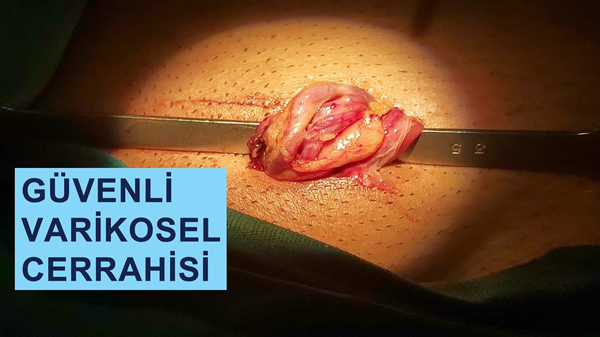

Varicocele Treatment
- Erkek üreme siteminin görevi spermleri üretmek, olgunlaştırmak ve vücut dışına iletilmesini sağlamaktır.
- For sperm formation to proceed healthily, the temperature inside the scrotum must be slightly lower than normal body temperature.
- Varicocele is usually noticed as a mass formed by swollen veins around the testicles.
- It should be distinguished from other masses found in the testicle.
What is varicocele?
- Blood flow between the testicles and the body, as well as sperm passage, occurs through the spermatic cord.
- The spermatic cord also contains the vas deferens, lymphatic vessels, and nerve fibers.
- Blood flows to the testicle through the spermatic artery via the arterial system in sync with the heartbeat.
- After this blood spreads throughout the testicle and completes its task, it returns via the veins.
- This network of veins is called the Pampiniform Plexus.
- Pampiniform Pleksusta genişleme ve kanın geri dönüşümünün bozulması varikosle hastalığına neden olur.
- Varicoceles are similar to varicose veins in the legs and develop during adolescence.
- Varicocele formation is more common on the left side than on the right.
- This situation is due to anatomical differences between the two parties.
- About 10-15% of men have varicocele.
- When varicocele occurs during adolescence, it causes testicular growth retardation.
The cause of varicocele formation
- Valves in the spermatic vessels that are not functioning or are absent cause a decrease in blood flow and even backflow.
- The acute angle formed by the left spermatic vein entering the renal vein causes an increase in pressure, which leads to a backward flow that causes dilation of the scrotal veins.
- Enlarged lymph nodes or other abnormal masses in the retroperitoneum (the area behind the abdominal cavity) obstruct blood flow in the spermatic vessels, causing excessive dilation of the scrotal veins. This condition is rare and is usually painful.
Are varicose veins common?
- Varicocele is present in 15% of all men.
- More than 50% cause sperm abnormalities.
- Varicocele is present in 40% of those who seek treatment for infertility.
- Varicocele is seen in 80% of men who have difficulty conceiving a second child after having one child.
- No connection has been found with race, geographic, or ethnic origin.
Symptoms of Varicocele
- Most men diagnosed with varicocele have no symptoms. It does not cause any symptoms.
- It may cause infertility.
- It can cause atrophy, or shrinkage, in the testicles.
- Varicoceles rarely cause pain.
- The pain may be mild and vague, or it may be very severe.
- Sempromlar gün içinde artış gösterirlerse de , hasta sırt üstü uzandığı zaman tipik olarak azalırlar.
Diagnosis of varicocele
- Varicocele can be detected by the person examining themselves or during a routine physical examination.
- They may appear and feel like a mass within the scrotum (this condition is referred to as a worm sac).
- The examination is performed in a standing position.
- The patient is asked to take a deep breath and hold it, while the doctor manually examines the scrotum over the testicle. Meanwhile, the patient slowly exhales to increase abdominal pressure. This technique is known as the Valsalva maneuver.
- In this way, abnormal dilation or increased fullness of the vessels in the pampiniform plexus is diagnosed.
- If the physician has difficulty making a diagnosis or is uncertain, a Doppler ultrasound is requested.
- During Doppler examination in the normal position and while performing the Valsalva maneuver, the veins within the pampiniform plexus are examined for dilation greater than 3 mm. In addition to the dilation of the vessel diameter, the presence or absence of retrograde flow within the vessel during the Valsalva maneuver is checked.
- Testicular size measurements can be performed during an ultrasound examination.
- It is particularly important that there is a decrease in testicular volume at the decision stage in adolescent varicocele where sperm count cannot be performed.
- Treatment based solely on radiological findings is not recommended for varicose veins that cannot be detected during a physical examination.
Treatment options for varicoceles
- Treatment of varicoceles is necessary in patients with infertility, pain, or testicular atrophy.
- There is no medical therapy for treatment or prevention.
- Analgesics can have a pain-relieving effect.
There are two main approaches to treating varicocele:
Surgical repair:
- The goal is to interrupt blood flow in the vessels of the pampiniform plexus.
- A surgical microscope is used for optical magnification.
- Laparoscopy has been proven to be inadequate. (It is both ineffective and carries a high risk of complications because it is performed inside the abdomen.)
- Spinal or general anesthesia may be administered.
Innovation in Microsurgical Varicocele Surgery: ISTANBUL VARICOCELECTOMY TECHNIQUE / Preventing Recurrent Varicocele
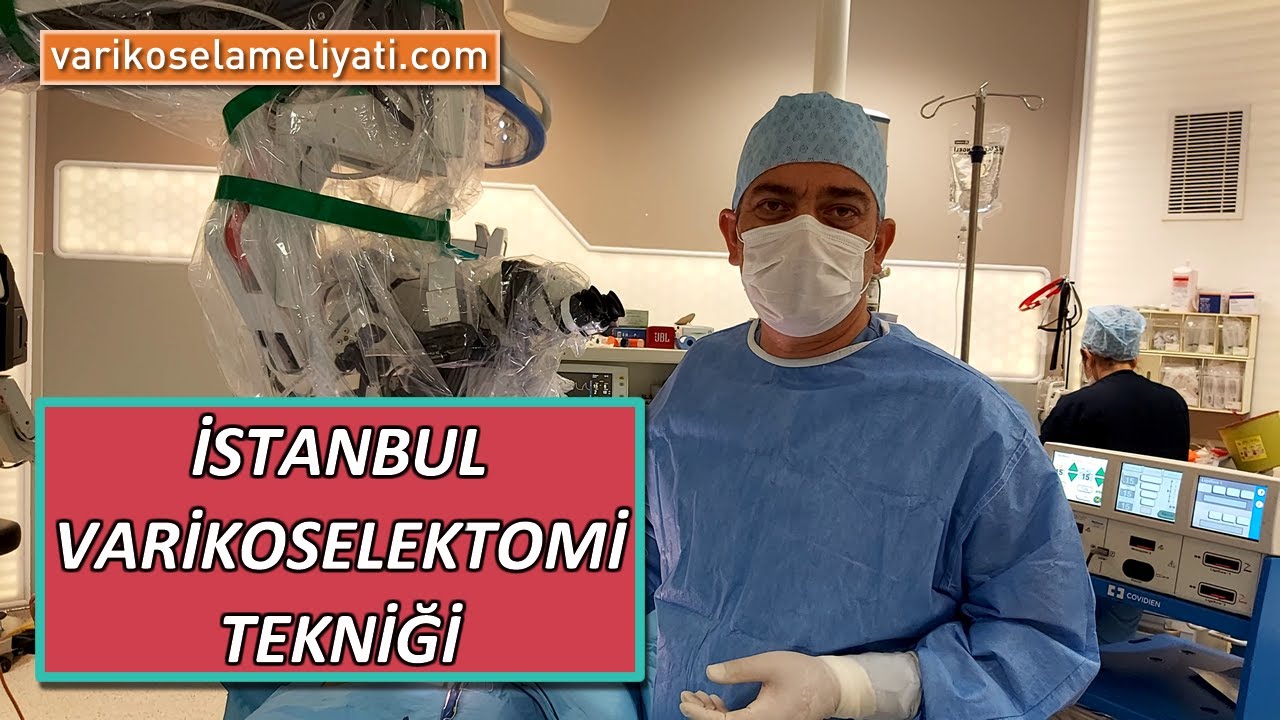
Innovation in Microsurgical Varicocele Surgery: ISTANBUL VARICOCELECTOMY TECHNIQUE / Preventing Recurrent Varicocele
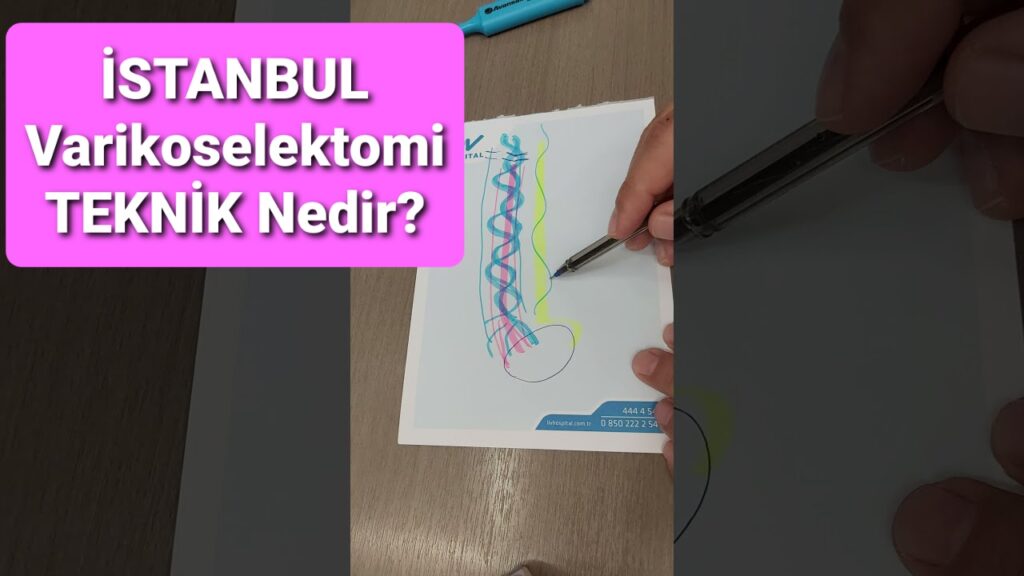
How Does the Microvascular Doppler Device Contribute to the Success of Microsurgical Varicocele Surgery?
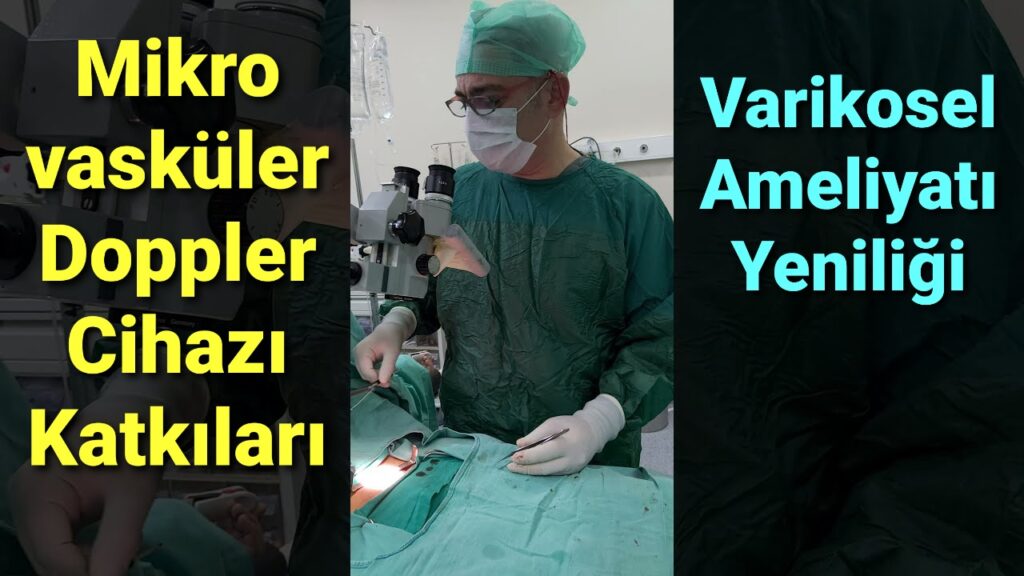
Surgical complications:
- Varicocele may recur (5-10%)
- Hydrocele formation (1-5%)
- Injury to the testicular artery (1-5%)
- Testicular atrophy (very rare)
Percutaneous embolization:
- Performed by interventional radiology
- It is performed by inserting a special tube into the groin or neck veins.
- Blockages form in the veins
- It is administered under sedation.
Complications:
- Varicocele may recur (25-30%)
- Displacement of plugging materials
- No long-term results due to limited experience
Expectations after treatment
- The recovery period after surgical repair is short.
- Generally, mild pain is observed.
- Patients should avoid strenuous activities for 10-14 days.
- Light tasks such as office work can be performed a day or two after surgery.
- A sperm check is performed 6 months later.
- Following varicocele repair, sperm quality improves in 80% of patients.
- The pregnancy rates are highest in microscopic surgeries (42%).